



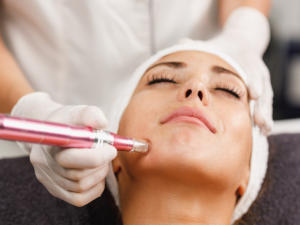






If you’ve been diligent with serums, creams, and sunscreen, but your pigmentation keeps returning, you’re not alone. This is a very common concern, especially in sunny climates like Singapore. Many patients feel frustrated when topical skincare seems to work temporarily, only for dark patches or uneven tone to resurface weeks or months later.
This article explains why pigmentation can be stubborn, what skincare can (and cannot) address, and where laser skin rejuvenation may fit into a longer-term treatment plan, in a clear, balanced, and medically responsible way.
Why does pigmentation keep coming back even when I’m using skincare?
Most skincare products work at the surface level of the skin. While they can help brighten and even out tone, they may not fully address pigment that sits deeper in the skin.
Common reasons pigmentation recurs include:
- Pigment located in deeper skin layers
- Ongoing sun or heat exposure
- Hormonal influences (e.g. melasma)
- Skin inflammation or previous acne
- Genetic skin behaviour
Key point: When the root cause of pigmentation isn’t fully addressed, improvement may be temporary.
Is skincare alone enough to treat stubborn pigmentation?
Skincare plays an important role, but it has limits.
Skincare may help when:
- Pigmentation is mild or superficial
- Sun protection is used consistently
- Products are appropriate for your skin type
Skincare may be less effective when:
- Pigment is deeply embedded
- Pigmentation has been present for years
- There is frequent sun or heat exposure
- Hormonal factors are involved
This is often when patients start asking whether in-clinic treatments should be considered.
What causes pigmentation to sit deeper in the skin?
Pigmentation can exist at different skin depths:
- Epidermal pigmentation – closer to the surface, often more responsive to topical care
- Dermal pigmentation – deeper, more resistant, and slower to fade
Triggers such as ultraviolet exposure, inflammation, or hormonal changes can stimulate pigment-producing cells repeatedly, making recurrence more likely.
How does laser skin rejuvenation work for pigmentation?
Laser skin rejuvenation uses controlled light energy to target pigment and stimulate skin renewal. The goal is not to “erase” pigmentation instantly, but to gradually break down pigment and support more even skin tone over time.
It may help by:
- Targeting pigment at specific depths
- Encouraging skin turnover
- Improving overall skin texture and tone
Treatment plans are usually customised based on:
- Skin type
- Pigment depth
- Lifestyle factors
- Previous treatments tried
Laser treatments are often combined with skincare and sun protection for more sustainable results.
Does laser skin rejuvenation permanently remove pigmentation?
No treatment can guarantee permanent removal of pigmentation.
What laser skin rejuvenation can do is:
- Reduce the intensity and visibility of pigmentation
- Improve skin clarity when part of a structured plan
- Help manage recurring pigmentation more effectively
Maintenance, sun protection, and appropriate skincare remain important even after laser treatments.
What should I expect during a consultation for pigmentation treatment?
A proper consultation usually includes:
- Skin assessment to determine pigment type and depth
- Discussion of triggers such as sun exposure or hormones
- Review of current skincare and lifestyle habits
- A personalised treatment plan, which may include laser, skincare, or a combination
This step is essential to ensure treatments are appropriate and realistic expectations are set.
Frequently Asked Questions (FAQs)
- Why does my pigmentation fade and then come back?
Pigmentation can be reactivated by sun exposure, heat, hormones, or inflammation, even after initial improvement. - Is laser skin rejuvenation suitable for all skin types?
Suitability depends on skin type and pigment characteristics. A consultation is needed to assess this safely. - How many laser sessions are usually required?
Most patients require multiple sessions spaced over time, depending on the severity and depth of pigmentation. - Will I still need skincare after laser treatment?
Yes. Skincare and sun protection are essential to support results and reduce recurrence. - Can pigmentation be completely prevented from returning?
Pigmentation can often be managed, but recurrence is possible. Long-term care focuses on control rather than guarantees.
Thinking About Managing Persistent Pigmentation More Effectively?
At Yeap Plastic Reconstructive & Cosmetic Surgery, pigmentation concerns are assessed carefully, looking beyond surface symptoms to understand skin behaviour, pigment depth, and contributing factors.
A personalised consultation can help you understand:
- Why pigmentation keeps returning
- Whether laser skin rejuvenation is appropriate
- How skincare and in-clinic treatments can work together
Book a consultation to discuss a structured, realistic approach to managing pigmentation.
