





Have you noticed that one or both of your upper eyelids seem lower than before? You may assume it is simply loose skin, especially if your eyes look heavier with age. But a drooping eyelid can have more than one cause, and ptosis from excess eyelid skin is an important distinction.
Key takeaways
- Ptosis involves the upper eyelid sitting lower than it should, often because of problems affecting the eyelid-lifting muscle or its supporting structures.
- Excess eyelid skin, also called dermatochalasis, happens when extra skin folds over the upper eyelid.
- The two conditions can occur together, making it difficult to tell which is responsible just by looking in the mirror.
- A proper assessment considers eyelid position, movement, surrounding tissues and, where relevant, changes in vision.
How can I tell if my eyelid is actually drooping?
The easiest mistake to make is assuming that anything covering the upper eyelid must be excess skin.
With ptosis, the edge of the eyelid itself sits lower. This can make the eye appear smaller or more closed, even when there is not much extra skin. Some signs that may point towards ptosis include,
- One upper eyelid appearing lower than the other
- The coloured part of the eye appearing more covered than before
- Needing to raise your eyebrows to see more clearly
- Tilting your head or lifting your chin to improve your view
- Feeling that one eye looks noticeably smaller
- Symptoms becoming more noticeable when tired
Ptosis can have different causes, and it is not necessarily related to ageing alone.
Could excess eyelid skin be making my eyes look droopy?
Yes. Excess upper eyelid skin can create a heavy or hooded appearance without the actual eyelid margin being significantly lower. This is often referred to as dermatochalasis. The skin may gradually become less firm with age, forming folds that extend over the natural crease of the upper eyelid.
You might notice,
- Loose or folded skin above the eyelid
- A heavier appearance around the upper eyes
- Skin resting on or near the eyelashes
- A feeling of heaviness around the eyes
- Changes that are more obvious when looking down or relaxing the forehead
The important point is that excess skin and ptosis are not the same condition, even though they can look similar.
What is the difference between ptosis and excess eyelid skin?
While ptosis is primarily about eyelid position, excess skin is about the amount of skin around the eyelid. However, real-life cases are not always this straightforward. A person may have,
- Ptosis without significant excess skin
- Excess skin without true ptosis
- Both ptosis and excess skin
- Other changes around the brow that contribute to a heavy upper eyelid appearance
This is why judging the cause from photographs or a mirror alone can be difficult.
Why does getting the distinction right matter?
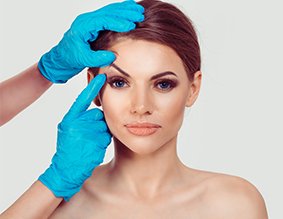
The underlying cause can influence how the eyelid is assessed and what treatment options may be considered. During an assessment, a doctor may look at,
- The position of each upper eyelid
- Eyelid movement and function
- The amount and distribution of excess skin
- The position of the eyebrows
- Differences between the two eyes
- Whether the eyelid position affects the visual field
- Other factors that could contribute to the appearance
This assessment is particularly important when the drooping is new, noticeably different between the eyes, or associated with changes in vision.
When should I have a drooping eyelid assessed?
A gradual change may be related to aging or structural changes around the eyelid, but a new or sudden drooping eyelid should not simply be assumed to be excess skin. You should seek medical assessment if the change is sudden or accompanied by symptoms such as double vision, significant eye pain, changes in vision, or other neurological symptoms.
Even when the change has developed gradually, an assessment can help clarify whether you are seeing ptosis, excess skin, or a combination of both.
Frequently Asked Questions
Is ptosis the same as hooded eyes?
No. Hooded eyes can result from excess upper eyelid skin, eyebrow position or natural anatomy. Ptosis specifically refers to a lower-than-usual position of the upper eyelid.
Can I have both ptosis and excess eyelid skin?
Yes. These can occur together, particularly as structural changes develop with age. An assessment can help determine the contribution of each.
Does excess eyelid skin always mean I need surgery?
No. The presence of excess skin does not automatically mean treatment is required. Management depends on the individual’s anatomy, symptoms, concerns and clinical assessment.
Can ptosis affect vision?
Depending on its severity and location, a drooping upper eyelid can obstruct part of the upper visual field. A doctor can assess whether the eyelid position is affecting vision.
Who can assess whether I have ptosis or excess eyelid skin?
A doctor can assess the eyelid position, surrounding tissues and relevant symptoms to help determine the likely cause of the drooping appearance.
Could your “droopy eyelids” actually be something else?
Understanding ptosis vs excess eyelid skin is the first step towards understanding why your eyes may look different. Since these conditions can overlap, a clinical assessment is more reliable than trying to diagnose the cause from appearance alone.
For those in Singapore seeking an assessment, consider a consultation with Dr Yeap to discuss eyelid concerns and the available options based on individual assessment at Yeap Clinic. A consultation can help clarify whether the appearance is related to ptosis, excess eyelid skin, or another structural factor.
